
Understanding Why Tutorials Feel Too Tough
The Initial Shock of New Information can be overwhelming; grasping concepts quickly isn’t always feasible, leading to frustration and a sense of being left behind during learning.
Lack of Foundational Knowledge often creates hurdles, as tutorials frequently assume pre-existing skills, leaving learners struggling to catch up with essential prerequisites.
Pace of Instruction Mismatch is a common issue; tutorials may move too quickly or slowly, failing to align with individual learning speeds and comprehension levels.
The Initial Shock of New Information
Facing a new tutorial can feel like drinking from a firehose – an overwhelming deluge of concepts, terminology, and techniques. This initial shock isn’t a reflection of your ability, but a natural response to cognitive overload. Grasping concepts quickly isn’t always feasible, and expecting immediate understanding sets unrealistic expectations.
The brain needs time to process and integrate new information. Feeling lost or confused at the beginning is perfectly normal. It’s crucial to acknowledge this feeling and avoid self-doubt. Remember that tutorials often build upon each other, and a shaky start doesn’t necessarily doom your progress.
Recognize that learning is iterative; it’s a process of gradual understanding, not instant mastery. Don’t be afraid to pause, rewind, and re-watch sections until the core ideas begin to click. This initial hurdle is often the most significant, but overcoming it builds confidence and momentum.
Lack of Foundational Knowledge
Tutorials rarely start from absolute zero. They frequently assume a certain level of pre-existing knowledge, creating a significant barrier for beginners. This gap in foundational understanding can manifest as confusion when core concepts are presented without sufficient context or explanation. Learners may struggle to connect new information to existing mental models.
Essential prerequisites, like basic programming principles or software interface familiarity, are often taken for granted. Trying to build upon shaky foundations is like constructing a house on sand – it’s prone to collapse. Identifying these knowledge gaps is the first step towards addressing them.
Consider supplementing the tutorial with introductory resources that cover the necessary basics. Don’t hesitate to seek out alternative explanations or beginner-friendly materials. Building a solid foundation will dramatically improve your comprehension and overall learning experience.
Pace of Instruction Mismatch
Tutorials often operate at a fixed speed, which rarely aligns perfectly with every learner’s individual pace. Some individuals may find the instruction moving too quickly, struggling to absorb information before the next concept is introduced. This can lead to a feeling of being overwhelmed and falling behind. Conversely, others might find the pace too slow, leading to boredom and disengagement.
Effective learning requires time for processing and experimentation. Rushing through a tutorial without pausing to practice or internalize the material hinders comprehension. Don’t be afraid to pause, rewind, and re-watch sections as needed.
Active learning techniques, like taking notes and attempting to replicate the steps independently, can help bridge the gap. Adjusting the playback speed of video tutorials can also be beneficial, allowing you to tailor the pace to your specific needs.
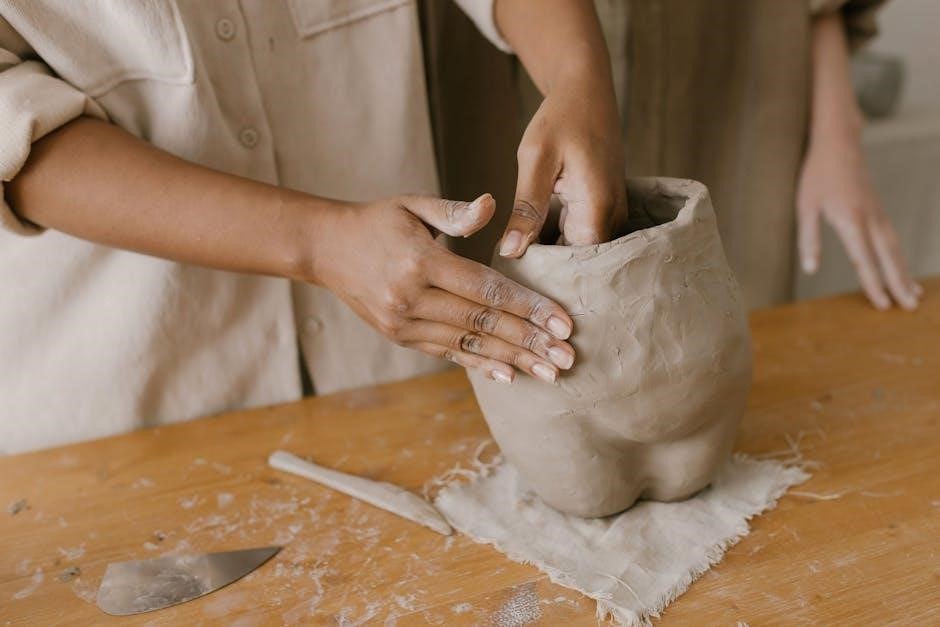
Strategies for Students Facing Difficult Tutorials
Embrace active learning, pausing to think before building, and breaking down complex projects into smaller, manageable steps for better comprehension and success.
Active Learning Techniques
Engaging actively with tutorial content is crucial when facing difficulties. Stop and think about what you’re about to build, writing down the basic components of the project beforehand. This pre-planning solidifies understanding and identifies potential roadblocks early on.
Don’t simply follow along; try building some of it on your own first. This forces you to apply the concepts and troubleshoot independently, strengthening your grasp of the material.
Breaking down complex projects into smaller, more manageable tasks is also incredibly effective. Tackle one component at a time, ensuring you fully understand each step before moving forward. This prevents feeling overwhelmed and fosters a sense of accomplishment as you progress. Active recall and self-testing further reinforce learning.
Stopping to Think Before Building
Before diving into the practical execution of a tutorial, dedicate time to actively consider the project’s overall goal and individual components. This isn’t merely about passively watching; it’s about internalizing the ‘why’ behind each step.
Specifically, write down the basic components of what you intend to create. This simple act transforms you from a passive observer to an active participant, forcing you to articulate your understanding.
This pre-planning phase allows you to anticipate potential challenges and formulate solutions before encountering them during the build process. It’s a proactive approach that significantly reduces frustration and enhances comprehension, especially when tutorials feel overwhelming. It’s about building a mental blueprint first!
Breaking Down Complex Projects
When faced with a tutorial covering a large, intricate project, resist the urge to attempt it all at once. Instead, deconstruct the project into smaller, more manageable sub-tasks. Focus on mastering each individual component before integrating it into the larger whole.
Try building some of it on your own first, even if it’s just a simplified version. This independent exploration reinforces your understanding and identifies areas where you need further clarification from the tutorial.
This segmented approach not only reduces cognitive overload but also fosters a sense of accomplishment as you successfully complete each mini-milestone. It transforms a daunting task into a series of achievable steps, making the learning process far less intimidating and more effective.
Seeking Help and Collaboration
Don’t suffer in silence! When a tutorial proves challenging, actively seek assistance from fellow learners or experienced individuals. Collaboration can unlock new perspectives and provide solutions you might not discover independently.
Online forums and communities are invaluable resources. Platforms dedicated to the tutorial’s subject matter often host threads where users discuss difficulties and share insights. Don’t hesitate to post your questions and engage in discussions.
Pair programming or simply explaining your struggles to someone else can clarify your understanding. Remember, learning is often more effective when it’s a social process. A fresh pair of eyes can often spot errors or suggest alternative approaches, accelerating your progress.
Utilizing Available Resources
Beyond the tutorial itself, a wealth of supplementary materials can aid comprehension. Official documentation and FAQs are often overlooked, yet they provide detailed explanations and address common issues. Explore these resources thoroughly before seeking external help.
Online forums and communities, like OpenGameArt (https://opengameart.org/) and Kenney’s resources (https://www.kenney.nl/), offer assets and support. Udemy (https://www.udemy.com/course/how-to-make-a-retro-style-3d-fps-in-the-unity-game-engine/) provides structured courses that can fill knowledge gaps.
Leverage productivity tools to streamline your learning process. Explore software options for video creation, like Camtasia (https://bit.ly/3yLvuEs) or free alternatives, to revisit complex sections. Remember, effective learning involves actively seeking and utilizing all available support systems.
Online Forums and Communities
When tutorials prove challenging, engaging with online forums and communities is invaluable. These platforms offer a space to ask specific questions and receive guidance from experienced individuals. Sites like OpenGameArt (https://opengameart.org/) foster collaboration and resource sharing, providing alternative perspectives.
Don’t hesitate to articulate your struggles; chances are, others have encountered similar difficulties. Searching existing threads can often reveal solutions to common problems. Active participation not only benefits your learning but also contributes to the collective knowledge of the community.
Remember to be respectful and clearly define your issue when seeking assistance. Providing context and details about the tutorial and your attempts will increase the likelihood of receiving helpful responses.
Official Documentation and FAQs
Often overlooked, official documentation and Frequently Asked Questions (FAQs) are crucial resources when tutorials become difficult. These materials, created by the software or tool developers, provide in-depth explanations and troubleshooting guidance. They frequently address common issues and offer solutions not covered in introductory tutorials.
Take the time to thoroughly explore the documentation related to the specific concepts you’re struggling with. Search for keywords relevant to your problem; well-maintained documentation usually has a robust search function. FAQs often contain concise answers to frequently encountered challenges.
Don’t assume the documentation is overly technical or inaccessible. It’s designed to support all users, including those new to the software. Utilizing these resources can unlock a deeper understanding and resolve roadblocks independently.

Instructor Responsibilities in Tutorial Design
Clear Guidelines and Expectations are vital for student success; early familiarization with policies, like submission deadlines, reduces anxiety and promotes a focused learning environment.
Flexibility and Accommodation demonstrate empathy, allowing for reasonable adjustments and recognizing diverse learning needs, fostering a supportive and inclusive atmosphere.
Providing Comprehensive Support ensures students feel empowered to seek assistance, creating a safe space for questions and collaborative problem-solving.
Clear Guidelines and Expectations
Establishing clear expectations from the outset is paramount. Devote time early in the term to thoroughly familiarize students with how the tutorial will operate, actively soliciting their input to foster a sense of ownership. While some rules, such as late submission policies, might be non-negotiable, demonstrate flexibility where possible, perhaps offering some leeway on assignment deadlines.
Provide students with a readily accessible copy of these guidelines. Ensure that all policies are explicitly stated and easily understood, leaving no room for ambiguity. Critically, clearly explain the consequences of any infringements, detailing precisely how many marks will be deducted for late submissions or other violations. Transparency builds trust and minimizes potential disputes.
A well-defined framework reduces student anxiety and allows them to focus on learning the material rather than deciphering unspoken rules. This proactive approach contributes significantly to a more positive and productive tutorial experience.
Early Term Familiarization
Prioritizing early term familiarization is crucial for setting a positive tone. Dedicate initial tutorial sessions to comprehensively outlining expectations and procedures. This isn’t merely about presenting rules; it’s about creating a shared understanding of how the tutorial will function as a learning environment. Encourage student questions and actively address any concerns they may have.
Actively ask for student input during this phase. Understanding their perspectives can reveal potential areas of confusion or difficulty. This collaborative approach fosters a sense of ownership and investment in the learning process. Discuss the tutorial’s goals, the types of assignments they’ll encounter, and the grading criteria.

A strong foundation built on clear communication minimizes anxiety and allows students to confidently engage with the material from the start, ultimately improving their learning experience.
Transparency in Policies (Late Submissions, Penalties)
Clearly defined policies regarding late submissions and associated penalties are essential. Ambiguity breeds frustration and can disproportionately impact students already struggling with challenging tutorial content. Explicitly state the consequences of missing deadlines, ensuring students understand the implications of their actions.
Provide a written copy of these policies – a syllabus or dedicated document – readily accessible to all students. This eliminates any potential for misinterpretation or claims of unfairness. Be specific about the penalty structure; for example, clearly state how many marks will be deducted per day late.
While maintaining firm boundaries, consider reasonable flexibility when possible. Life happens, and a compassionate approach can foster a more supportive learning environment. However, any exceptions should be communicated transparently to the entire class to maintain equity.
Flexibility and Accommodation
Recognizing that tutorials can be challenging for some, instructors should embrace flexibility. Not all students learn at the same pace or possess the same prior knowledge. Offering alternative assignment formats or extended deadlines – when feasible – can significantly reduce stress and improve comprehension.
Be open to individual student needs. Some may require extra support or clarification on specific concepts. Providing one-on-one assistance or directing them to relevant resources demonstrates a commitment to their success.
Consider allowing students to demonstrate their understanding in multiple ways. This could involve alternative projects, presentations, or written explanations. A willingness to adapt to diverse learning styles fosters inclusivity and empowers students to overcome obstacles.
Providing Comprehensive Support
Effective tutorial support extends beyond simply delivering content. Instructors should proactively offer multiple avenues for students to seek assistance when facing difficulties. This includes dedicated office hours, readily available email communication, and encouraging peer-to-peer learning opportunities.
Clearly communicate expectations and policies from the outset. Transparency regarding late submission penalties and grading criteria minimizes confusion and anxiety. Providing a detailed syllabus and frequently asked questions (FAQs) document can preemptively address common concerns.
Foster a supportive learning environment where students feel comfortable asking questions. Emphasize that seeking help is a sign of strength, not weakness. Regular check-ins and feedback sessions can identify struggling students early on and provide targeted interventions.

Creating Effective Tutorial Content (For Instructors)
Video tutorials are incredibly powerful, offering visual guidance and allowing students to learn at their own pace, utilizing tools like Camtasia for creation.
Focus on practical application, demonstrating concepts through real-world examples and projects, ensuring learners grasp the material’s relevance.
Prioritize accessibility and inclusivity, catering to diverse learning styles and needs, making content understandable for all students involved.
Video Tutorials: A Powerful Tool
Leveraging video tutorials significantly enhances the learning experience, offering a dynamic and engaging alternative to static text-based instructions. A key benefit lies in the ability to visually demonstrate complex processes, breaking them down into manageable steps. Resources like Camtasia provide robust screen recording and editing capabilities, allowing instructors to create polished, professional-looking tutorials.

However, even with powerful tools, effective video tutorials require careful planning. Consider starting with a clear outline and script. The provided link (https://bit.ly/3yLvuEs) showcases a comprehensive guide to creating training videos with Camtasia, offering valuable insights into the production process. Furthermore, free software options exist for those seeking cost-effective solutions, as demonstrated by the YouTube tutorial on creating videos with 100% free software (link not fully provided in source text).

Remember to keep videos concise and focused, addressing specific learning objectives. Visual clarity and audio quality are paramount for maintaining student engagement and comprehension.
Using Screen Recording Software (Camtasia)
Camtasia stands out as a premier screen recording and video editing software, empowering instructors to craft high-quality tutorials. Its intuitive interface allows for seamless capture of on-screen activity, coupled with robust editing features like annotations, transitions, and visual effects. The provided resource (https://bit.ly/3yLvuEs) offers a detailed walkthrough of Camtasia’s functionalities, guiding users through the entire video creation process, from initial recording to final export.
Specifically, Camtasia excels at highlighting crucial steps within a software demonstration; Instructors can zoom in on specific areas, add callouts to draw attention to key elements, and incorporate cursor effects to guide viewers’ focus. This is particularly valuable when tackling complex tasks that might otherwise be difficult to follow.
While Camtasia is a paid tool, its capabilities significantly enhance tutorial clarity and professionalism, ultimately improving the learning experience for students facing challenging material.
Free Software Options for Video Creation
Fortunately, creating effective tutorials doesn’t necessitate expensive software. Numerous free options empower instructors to produce engaging content without financial strain. A YouTube video highlights a complete tutorial creation process utilizing 100% free software (Create Tutorial Video: [https://bit.ly/425F8v0](https://bit.ly/425F8v0)). This resource demonstrates how to record, edit, and publish tutorials using readily available tools.
OBS Studio is a popular choice for screen recording, offering a versatile platform for capturing desktop activity. For video editing, options like DaVinci Resolve (free version) provide professional-grade features, including color correction, audio editing, and visual effects. These tools, while requiring a learning curve, offer substantial capabilities.
Leveraging these free resources allows instructors to overcome budgetary constraints and still deliver clear, concise tutorials, aiding students who find the subject matter challenging.

Focus on Practical Application
To combat tutorial difficulty, prioritize practical application over abstract concepts. Students struggling with new material benefit immensely from immediately applying what they learn to tangible projects. Encourage “stopping to think” before building, outlining basic components and attempting independent construction first – a key step in solidifying understanding.
Instead of lengthy theoretical explanations, break down complex projects into smaller, manageable steps. This approach fosters a sense of accomplishment and builds confidence. Show, don’t just tell; demonstrate how concepts translate into real-world outcomes.
By emphasizing hands-on experience, tutorials become less intimidating and more accessible, empowering students to overcome challenges and master the subject matter effectively.
Accessibility and Inclusivity
Effective tutorials must prioritize accessibility for all learners. Consider diverse learning styles and needs when designing content. Providing captions and transcripts for video tutorials is crucial for those with auditory impairments or who prefer reading along. Ensure clear visual contrast and avoid rapidly changing visuals that can be disorienting.
Furthermore, tutorials should be inclusive in language and examples, avoiding jargon or cultural references that may exclude some students. Offer alternative formats for materials, catering to different preferences. Remember that flexibility and accommodation are key to creating a welcoming and supportive learning environment, reducing frustration and promoting success for everyone.

Resources for Tutorial Creation and Learning
Open Game Art Resources and Udemy courses offer valuable assets and instruction. Productivity tools streamline creation, while platforms like YouTube empower sharing and learning.
Open Game Art Resources
Finding pre-made assets can significantly reduce the workload when tackling challenging tutorials, allowing learners to focus on core concepts rather than asset creation. Websites like OpenGameArt.org and Kenney.nl provide a wealth of free-to-use graphics, sound effects, and even music.
These resources are particularly helpful when a tutorial emphasizes gameplay mechanics or programming logic, and you’re struggling with the artistic aspects. Utilizing existing assets allows you to quickly prototype and experiment, building confidence and understanding.
Remember to always check the licensing terms before using any asset to ensure it aligns with your project’s requirements. Leveraging these free resources can be a game-changer, transforming a daunting tutorial into a manageable and enjoyable learning experience.
Udemy Courses on Game Development
Supplementing free tutorials with structured courses on platforms like Udemy can provide a more comprehensive foundation, especially when facing difficulties. A course like “How to Make a Retro-Style 3D FPS in the Unity Game Engine” offers a guided learning path, building skills progressively.
These courses often break down complex topics into smaller, digestible modules, with dedicated instructors available to answer questions and provide support. Udemy’s paid structure often translates to higher quality content and a more polished learning experience.
Consider searching for courses specifically targeting the skills needed for the challenging tutorial you’re attempting. Investing in a well-structured course can bridge knowledge gaps and empower you to overcome obstacles, ultimately accelerating your learning journey.
Productivity Tools for Tutorial Creation
Even if you’re struggling with a tutorial, understanding the creation process can offer insight. Tools like Camtasia (Make Training Videos w/Camtasia) streamline video recording and editing, allowing instructors to present information clearly.

However, free alternatives exist! Resources highlight the possibility of creating tutorials using 100% free software, demonstrating that high-quality instruction doesn’t require expensive tools.
Understanding how these tools are used – screen recording, editing, adding annotations – can help you decipher the instructor’s thought process and anticipate steps. Furthermore, recognizing the effort involved in tutorial creation fosters empathy and encourages a more patient learning approach when facing challenges.