
Category: Manuals

a manual for living

A manual for living serves as a comprehensive guide to navigating life’s complexities‚ offering insights into personal growth‚ emotional well-being‚ and practical advice for everyday challenges.

1.1 Understanding the Concept of a Manual for Living

A manual for living is a personalized guide designed to help individuals navigate life’s challenges and opportunities effectively. It serves as a roadmap for self-awareness‚ personal growth‚ and decision-making. Unlike traditional manuals‚ it is not a one-size-fits-all solution but rather a dynamic and evolving resource tailored to an individual’s unique needs and aspirations. The concept emphasizes the importance of understanding oneself‚ setting clear goals‚ and cultivating habits that promote emotional and mental well-being. By providing structured yet flexible frameworks‚ a manual for living empowers individuals to take control of their lives‚ make informed choices‚ and strive for fulfillment. It is a tool for continuous improvement and self-refinement.

1.2 Importance of Having a Personal Manual for Life

Having a personal manual for life is essential for clarity‚ direction‚ and purpose. It helps individuals align their actions with their values and goals‚ ensuring consistency in decision-making. A manual fosters self-awareness‚ enabling better emotional regulation and resilience. It also serves as a reference point during uncertain times‚ providing guidance and reassurance. By documenting personal principles and aspirations‚ individuals can track progress and celebrate achievements. A well-crafted manual promotes accountability‚ reducing the likelihood of drifting through life without purpose. Ultimately‚ it empowers individuals to live intentionally‚ making meaningful choices that contribute to a fulfilling and balanced life.

Self-Awareness and Personal Growth

Self-awareness is the foundation of personal growth‚ enabling individuals to understand their values‚ strengths‚ and weaknesses‚ while fostering emotional intelligence and intentional life decisions. Internet sources highlight its significance in personal development methodologies and emotional well-being strategies‚ emphasizing its role in building resilience and achieving goals. By cultivating self-awareness‚ one can navigate life’s challenges more effectively‚ leading to a more fulfilling and purposeful existence. This section will explore practical ways to enhance self-awareness and apply it to everyday life‚ drawing from expert advice and real-world applications. Ultimately‚ self-awareness empowers individuals to take control of their personal growth and make meaningful progress toward their aspirations. Insight into emotional intelligence and mindfulness practices will be provided‚ offering readers tools to deepen their self-understanding and improve their overall quality of life. The importance of self-reflection and journaling will also be discussed as effective methods for gaining clarity and direction in life. Additionally‚ the role of feedback and self-assessment in identifying areas for improvement will be addressed‚ providing readers with a comprehensive approach to nurturing their personal growth. By embracing self-awareness‚ individuals can unlock their full potential and live a life that aligns with their true values and goals. The section will conclude with actionable steps and strategies for maintaining a growth mindset‚ ensuring continuous development and self-improvement. Overall‚ self-awareness is not just a concept but a powerful tool for transforming one’s life and achieving lasting fulfillment; Internet resources further emphasize the importance of self-awareness in leadership‚ relationships‚ and career success‚ making it a vital component of a manual for living. Through this section‚ readers will gain the knowledge and skills necessary to cultivate self-awareness and apply it to various aspects of their lives‚ leading to greater satisfaction and accomplishment. The discussion will also touch upon overcoming common barriers to self-awareness‚ such as biases and self-deception‚ offering practical solutions to these challenges. By the end of this section‚ readers will have a clear understanding of how to integrate self-awareness into their daily lives and use it as a catalyst for ongoing personal growth. The section will serve as a roadmap for those seeking to enhance their self-awareness and take charge of their personal development journey. Internet-based resources and expert recommendations will be incorporated to provide readers with trusted and effective strategies for cultivating self-awareness. This section is designed to be both informative and practical‚ ensuring that readers can immediately apply the concepts to their lives. The emphasis will be on creating a balanced approach to personal growth‚ one that combines introspection with actionable steps. By focusing on self-awareness‚ individuals can better navigate life’s complexities and make decisions that align with their true selves. The section will also explore the connection between self-awareness and emotional well-being‚ highlighting how understanding oneself can lead to greater peace and happiness. Furthermore‚ the role of self-awareness in building strong relationships will be discussed‚ demonstrating how it fosters empathy and effective communication. Readers will learn how to use self-awareness to set realistic goals and celebrate their progress‚ fostering a positive and encouraging mindset. The section will conclude with a reminder that self-awareness is a lifelong journey‚ requiring patience‚ dedication‚ and a willingness to learn and grow. By embracing this journey‚ individuals can unlock their full potential and live a life that is authentic‚ meaningful‚ and fulfilling. Internet sources reinforce the importance of self-awareness in achieving personal and professional success‚ making it a cornerstone of this manual for living. Through this section‚ readers will gain the tools and insights necessary to embark on their own path of self-discovery and growth‚ equipped with the knowledge to overcome challenges and achieve their aspirations. The section will serve as a comprehensive guide to self-awareness‚ offering readers a clear and structured approach to enhancing their personal growth. By integrating the principles outlined in this section‚ readers can create a personalized plan for developing self-awareness and applying it to all areas of their lives. The focus will be on providing practical advice and real-world examples‚ ensuring that readers can easily implement the strategies discussed. The section will also address common misconceptions about self-awareness‚ offering clarity and reassurance to those new to the concept. Overall‚ this section aims to empower readers with the knowledge and confidence to take control of their personal growth and live a life that truly reflects their values and goals. The discussion will be supported by expert insights and real-life testimonials‚ adding depth and credibility to the content. By the end of this section‚ readers will have a thorough understanding of the importance of self-awareness and the practical steps needed to cultivate it in their daily lives. The section will conclude with a motivational message‚ encouraging readers to embrace the journey of self-discovery and continuous growth. Internet resources will be referenced throughout the section‚ providing readers with additional tools and information to support their personal development. This section is designed to be both educational and inspiring‚ offering readers a clear path to enhancing their self-awareness and achieving their full potential. The emphasis will be on creating a holistic approach to personal growth‚ one that addresses the emotional‚ mental‚ and spiritual aspects of self-awareness. By focusing on these elements‚ individuals can achieve a deeper understanding of themselves and make meaningful progress in their lives. The section will also explore the role of self-awareness in navigating life’s transitions and challenges‚ offering readers strategies for maintaining resilience and adaptability. Through this discussion‚ readers will learn how to apply self-awareness in real-world situations‚ ensuring that they can handle difficulties with confidence and grace. The section will serve as a valuable resource for anyone seeking to enhance their self-awareness and improve their overall quality of life. By providing actionable advice and expert recommendations‚ this section will empower readers to take charge of their personal growth and live a life that is authentic‚ purposeful‚ and fulfilling. The section will conclude with a summary of key takeaways‚ reinforcing the importance of self-awareness and encouraging readers to continue their journey of self-discovery and growth. Internet-based resources will be highlighted as additional tools for readers to explore‚ offering further guidance and support. Overall‚ this section is designed to be a comprehensive and practical guide to self-awareness‚ equipping readers with the knowledge and skills needed to navigate life’s challenges and achieve their aspirations. By integrating the principles discussed in this section‚ readers can create a personalized approach to personal growth‚ one that aligns with their unique values and goals. The section will serve as a foundation for the rest of the manual‚ providing readers with the self-awareness necessary to fully benefit from the subsequent sections. Through this focus on self-awareness‚ readers will be well-equipped to tackle the various aspects of life discussed in the manual‚ from relationships and career to health and spirituality. The section will thus play a pivotal role in setting readers on the path to a fulfilling and purposeful life. Internet sources further emphasize the transformative power of self-awareness‚ and this section will reflect that by offering readers the tools to harness this power in their own lives. By the end of this section‚ readers will have gained a deeper understanding of themselves and the confidence to pursue their goals with clarity and purpose. The section will leave readers feeling empowered and motivated‚ ready to embark on their journey of personal growth and self-discovery. The discussion will be engaging and accessible‚ ensuring that readers of all backgrounds and experiences can benefit from the content. The section will also address the importance of self-compassion and patience in the process of developing self-awareness‚ offering readers a supportive and non-judgmental approach to their personal growth. By fostering a positive and encouraging mindset‚ this section will help readers overcome self-doubt and embrace their unique qualities. The role of self-awareness in building confidence and self-esteem will also be explored‚ demonstrating how it can lead to greater success and happiness in all areas of life. Through this discussion‚ readers will learn how to leverage their self-awareness to make positive changes and achieve their desired outcomes. The section will conclude with a call to action‚ encouraging readers to apply the principles of self-awareness in their daily lives and continue their journey of growth and development. Internet resources will be referenced to provide readers with additional support and guidance‚ ensuring that they have access to a wealth of information to aid their progress. Overall‚ this section is designed to be a transformative and empowering guide to self-awareness‚ offering readers the tools and insights needed to live a life that is authentic‚ meaningful‚ and fulfilling. By focusing on the practical application of self-awareness‚ the section will provide readers with a clear and actionable path to personal growth and development. The discussion will be thorough yet concise‚ ensuring that readers can easily grasp the concepts and apply them in their

2.1 Understanding Your Values and Beliefs

Understanding your values and beliefs is essential for self-awareness and personal growth. Values are core principles that guide your decisions and actions‚ while beliefs shape your perceptions of the world. Identifying these helps you align your life with what truly matters. Reflect on past experiences and what brings you fulfillment to uncover your core values. Your beliefs‚ often shaped by upbringing and experiences‚ influence your mindset and behavior. Recognizing and questioning limiting beliefs can lead to personal liberation. Aligning your actions with your values fosters authenticity and purpose. This self-awareness is key to making intentional decisions and living a meaningful life.

2.2 Recognizing Your Strengths and Weaknesses

Recognizing your strengths and weaknesses is a cornerstone of self-awareness and personal growth. By understanding your abilities‚ you can leverage them to achieve success and address areas needing improvement. Self-reflection‚ feedback from others‚ and self-assessment tools can help identify these traits. Acknowledging strengths boosts confidence‚ while addressing weaknesses fosters development. This balance is key to creating a realistic and actionable personal growth plan. Regularly evaluating your strengths and weaknesses ensures continuous improvement‚ helping you align your goals with your capabilities and aspirations. This process fosters resilience and adaptability‚ essential for navigating life’s challenges effectively.

2.3 The Role of Emotional Awareness in Life

Emotional awareness is a cornerstone of personal growth‚ enabling individuals to recognize‚ understand‚ and manage their emotions effectively. It fosters self-regulation‚ empathy‚ and healthier relationships. By being attuned to emotional responses‚ one can navigate stress‚ make informed decisions‚ and align actions with personal values. This awareness also enhances resilience‚ allowing individuals to bounce back from adversity. Cultivating emotional intelligence improves communication and reduces conflict‚ creating a more fulfilling life. As highlighted in various resources‚ emotional awareness is integral to personal development‚ helping individuals stay grounded and focused on their goals‚ even in challenging situations.

Emotional Well-Being

Emotional well-being is crucial for a fulfilling life‚ involving awareness‚ self-care‚ and practices to manage stress‚ cultivate gratitude‚ and build resilience against life’s challenges and uncertainties.

3.1 Managing Stress and Anxiety

Managing stress and anxiety is crucial for emotional well-being. Start by identifying triggers and practicing mindfulness to stay present. Engage in regular physical activity‚ as it reduces stress hormones like cortisol. Establish a balanced routine‚ including time for relaxation and hobbies. Prioritize sleep‚ aiming for 7-8 hours nightly‚ to recharge. Healthy eating habits and hydration also play a key role in maintaining mental stability. Consider journaling to process emotions or seeking support from friends‚ family‚ or professionals. Lastly‚ learn to set boundaries and delegate tasks to avoid overwhelm. By incorporating these strategies‚ you can effectively manage stress and anxiety‚ fostering a more peaceful and resilient life.

3.2 Cultivating Gratitude and Positivity

Cultivating gratitude and positivity is a powerful tool for enhancing emotional well-being. By focusing on the good in life‚ individuals can shift their mindset‚ fostering happiness and resilience. Simple practices‚ such as maintaining a gratitude journal or expressing appreciation daily‚ can significantly improve mental health. Positivity breeds optimism‚ helping individuals navigate challenges with a hopeful outlook. Embracing gratitude also strengthens relationships‚ as acknowledging others’ contributions fosters connection and mutual respect. Over time‚ these practices can become habitual‚ leading to a more fulfilling and joyful life. Incorporating gratitude into daily routines is a cornerstone of emotional balance and overall well-being.

3.3 Building Resilience in the Face of Adversity

Resilience is the ability to bounce back from challenges and setbacks‚ emerging stronger and wiser. It involves developing coping strategies‚ emotional intelligence‚ and a growth mindset. By understanding your triggers and reframing difficulties as opportunities for growth‚ you can build mental and emotional fortitude. Practicing self-care‚ seeking support from loved ones‚ and embracing flexibility are key steps. Learning from past experiences and maintaining a positive outlook can also enhance your ability to navigate adversity effectively. Over time‚ resilience becomes a powerful tool for overcoming life’s obstacles and achieving long-term well-being.

  • Identify triggers and develop problem-solving skills.
  • Cultivate emotional intelligence to manage stress.
  • Build a support system for guidance and encouragement.

Relationships and Communication

Healthy relationships and effective communication are the foundation of a fulfilling life‚ fostering empathy‚ trust‚ and mutual understanding while navigating conflicts and encouraging active listening.

  • Build trust through transparency and reliability.
  • Resolve conflicts with patience and understanding.
  • Practice active listening to strengthen connections.

4.1 Building Healthy and Meaningful Relationships

Building healthy and meaningful relationships requires empathy‚ trust‚ and open communication. Start by understanding others’ perspectives and expressing your own feelings clearly. Active listening fosters connection and mutual respect. Set boundaries to maintain balance and encourage personal growth. Conflict resolution is key; address issues calmly and seek solutions together. Nurturing relationships through shared activities and showing appreciation strengthens bonds. Surround yourself with supportive individuals who align with your values. Healthy relationships are built on honesty‚ patience‚ and effort from all parties involved.

  • Practice empathy and understanding in interactions.
  • Communicate openly and honestly to avoid misunderstandings.
  • Respect boundaries and prioritize mutual respect.

4.2 Effective Communication Skills

Effective communication is the cornerstone of successful interactions‚ enabling clarity and understanding. Practice active listening by focusing on the speaker without interrupting‚ ensuring you grasp their message. Use clear and concise language to convey your thoughts‚ avoiding misunderstandings. Non-verbal cues‚ such as body language and tone‚ also play a crucial role. Adapt your communication style to suit different audiences‚ fostering empathy and connection. Regularly ask questions to confirm understanding and seek feedback to refine your approach. By mastering these skills‚ you can build stronger relationships and navigate conversations with confidence and ease.

  • Practice active listening to fully engage with others.
  • Use clear and concise language to avoid confusion.
  • Be mindful of non-verbal cues like body language and tone.

4.3 Conflict Resolution Strategies

Conflict resolution is a vital skill for maintaining harmony in relationships. Start by remaining calm and composed‚ even in tense situations. Practice active listening to understand the other person’s perspective without interrupting. Focus on finding common ground rather than “winning” the argument. Use “I” statements to express your feelings without blaming the other party. Seek solutions that satisfy both sides‚ and be open to compromise. If emotions run high‚ consider taking a break before revisiting the issue. Learning to resolve conflicts constructively fosters understanding‚ strengthens relationships‚ and promotes mutual respect.

  • Stay calm and composed during disagreements.
  • Listen actively to understand the other person’s viewpoint.
  • Seek solutions that benefit both parties.

Personal Development and Goal Setting

Personal development and goal setting are essential for growth. Define clear‚ achievable objectives‚ create a plan‚ and stay motivated. Continuous improvement leads to a fulfilling life.

5.1 Setting SMART Goals for Personal Growth

Setting SMART goals is a powerful strategy for personal growth. SMART stands for Specific‚ Measurable‚ Achievable‚ Relevant‚ and Time-bound. Start by defining a clear and specific objective‚ ensuring it aligns with your values. Next‚ establish measurable criteria to track progress‚ making it easier to stay motivated. Assess the achievability of your goal‚ ensuring it is realistic yet challenging. Align the goal with your broader aspirations to maintain relevance. Finally‚ set a time-bound deadline to create a sense of urgency and focus. Regularly review and adjust your goals to ensure continuous growth and success.

5.2 Creating a Personal Development Plan

Creating a personal development plan is a structured approach to achieving personal growth. Start by identifying areas for improvement and setting SMART goals. Break these goals into actionable steps and allocate time for learning. Utilize resources like books‚ courses‚ or mentors to gain knowledge. Regularly track progress and adjust strategies as needed. Maintain accountability by sharing goals with trusted individuals or using journals. Celebrate milestones to stay motivated. This plan serves as a roadmap‚ helping you stay focused and committed to continuous improvement.

5.3 Overcoming Procrastination and Staying Motivated

Procrastination often stems from overwhelming tasks or lack of clarity. Breaking tasks into smaller‚ manageable steps can make them less daunting. Setting realistic deadlines and using techniques like the Pomodoro method can enhance productivity. Staying motivated requires celebrating small wins and maintaining a positive mindset. Identify your “why” to reconnect with your goals. Eliminate distractions and create a conducive environment for focus; Consistency is key—build habits that support long-term progress. Leveraging tools like planners or AI assistants can also help track and stay on top of tasks. Remember‚ progress over perfection fosters sustainable growth and keeps motivation alive.

Career and Financial Literacy

  • Aligns career choices with personal values for fulfillment and success.
  • Provides strategies for effective financial management and planning.
  • Explores ways to build and diversify income streams for stability.
  • 6.1 Choosing a Career Path That Aligns with Your Values

    Choosing a career path that aligns with your values is crucial for long-term satisfaction and fulfillment. Start by reflecting on what matters most to you‚ such as creativity‚ helping others‚ or work-life balance. Research careers that match these values and assess their alignment with your strengths and interests. Seeking mentorship or advice from professionals in your desired field can provide clarity. Remember‚ your career is a significant part of your life‚ and aligning it with your values ensures purpose and happiness. Stay open to exploring opportunities and adapting as your priorities evolve over time.

    6.2 Managing Finances Effectively

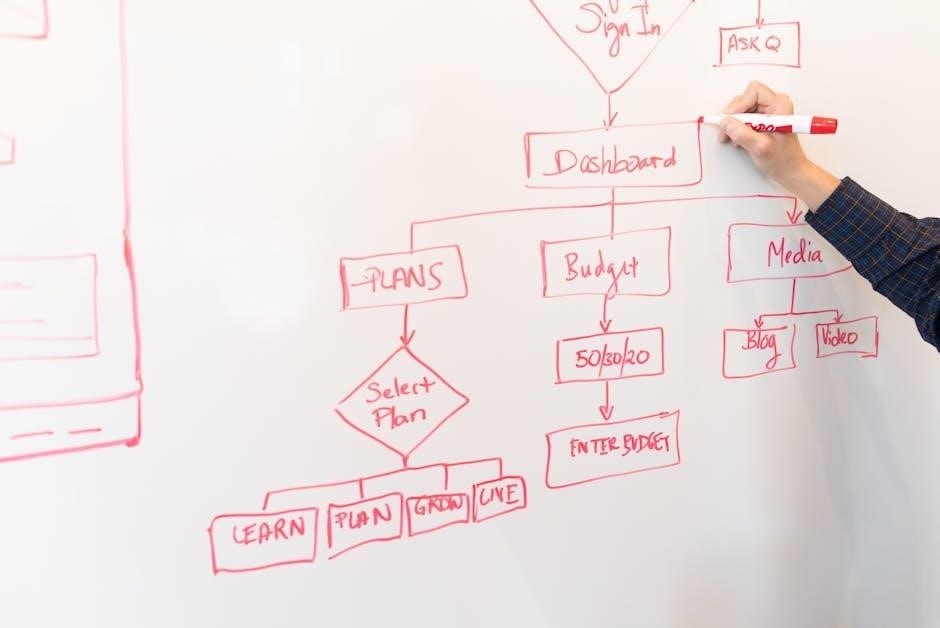
    Managing finances effectively is crucial for achieving financial stability and peace of mind. Start by creating a budget that tracks income and expenses‚ ensuring savings and investments are prioritized. Use the 50/30/20 rule: 50% for needs‚ 30% for wants‚ and 20% for savings. Automate savings and bill payments to avoid missed deadlines. Regularly monitor credit scores and work to improve them for better financial opportunities. Avoid impulse purchases and focus on long-term financial goals. Consider consulting a financial advisor for personalized strategies. Utilize budgeting apps and tools to stay organized and informed; By maintaining financial discipline and awareness‚ you can build a secure and sustainable future.

    6.3 Building Multiple Income Streams

    Building multiple income streams is a strategic approach to financial stability and growth. It involves diversifying your sources of income to reduce dependence on a single revenue stream. This could include starting a side business‚ investing in stocks or real estate‚ freelancing‚ or creating passive income through digital products. Having multiple income streams not only provides financial security but also opens opportunities for wealth accumulation. It requires careful planning‚ research‚ and consistent effort but can significantly enhance your financial resilience. By exploring various avenues‚ you can create a balanced portfolio that aligns with your skills‚ interests‚ and long-term goals‚ ensuring sustained financial well-being.

    Physical and Mental Health

    Physical and mental health are foundational to a fulfilling life‚ requiring regular exercise‚ balanced nutrition‚ and adequate rest to maintain overall well-being and resilience.

    7.1 Importance of Regular Exercise and Physical Activity

    Regular exercise and physical activity are cornerstone practices for maintaining overall health and well-being. They improve cardiovascular health‚ strengthen muscles‚ and enhance flexibility. Exercise also plays a crucial role in mental health by reducing stress‚ anxiety‚ and depression. It boosts energy levels and promotes better sleep quality‚ which is essential for bodily repair and rejuvenation. Additionally‚ physical activity helps with weight management and reduces the risk of chronic diseases‚ such as diabetes and heart conditions. Incorporating regular exercise into your routine cultivates discipline‚ self-care‚ and a positive lifestyle. Consistency is key to reaping long-term benefits and living a healthier‚ more vibrant life.

    7.2 Maintaining a Balanced Diet for Optimal Health

    A balanced diet is essential for maintaining optimal health‚ providing the body with the necessary nutrients‚ vitamins‚ and minerals to function effectively. It includes a variety of whole foods such as fruits‚ vegetables‚ whole grains‚ lean proteins‚ and healthy fats. Avoiding processed foods‚ excessive sugar‚ and unhealthy fats is crucial. Staying hydrated by drinking plenty of water is also vital. A well-balanced diet supports energy levels‚ mental clarity‚ and overall well-being. Incorporating mindful eating habits‚ such as eating regular meals and practicing portion control‚ helps maintain a healthy relationship with food. By prioritizing nutrition‚ individuals can enhance their physical and mental health‚ leading to a more fulfilling life.

    7.3 The Role of Sleep in Overall Well-Being

    Sleep is a cornerstone of overall well-being‚ playing a vital role in physical and mental health. It helps restore energy‚ repair tissues‚ and support cognitive function. Aim for 7-9 hours daily.

    Chronic sleep deprivation can lead to impaired concentration‚ weakened immunity‚ and mood disturbances. Prioritize a consistent sleep routine‚ avoid screens before bed‚ and create a relaxing environment to enhance sleep quality.

    Spirituality and Purpose

    Spirituality and purpose guide individuals in discovering meaning‚ fostering inner peace‚ and aligning actions with core values‚ enhancing overall life satisfaction and direction.

    8.1 Discovering Your Life’s Purpose

    Discovering your life’s purpose is a transformative journey that involves understanding your passions‚ values‚ and strengths. Start by reflecting on what truly resonates with you and aligns with your core beliefs. Identify activities that bring you joy and fulfillment‚ as these often hint at your purpose. Journaling‚ self-reflection‚ and seeking feedback from others can provide clarity. Embrace curiosity and explore different paths‚ even if they feel uncertain. Remember‚ your purpose may evolve over time‚ so staying open to growth is essential. Ultimately‚ your purpose is about creating meaning and impact‚ whether in personal or professional realms‚ and living a life that feels authentic to you.

    8.2 Exploring Spirituality and Its Impact on Life

    Spirituality is a deeply personal journey that helps individuals connect with their inner selves and the world around them. It often involves exploring beliefs‚ values‚ and meanings that transcend the physical realm‚ fostering a sense of purpose and fulfillment. Whether through meditation‚ prayer‚ or reflection‚ spirituality can provide comfort‚ guidance‚ and a framework for understanding life’s challenges and joys.

    By embracing spirituality‚ people often experience improved emotional resilience‚ compassion‚ and a greater sense of connection to others. It can also inspire personal growth‚ encouraging individuals to live authentically and align their actions with their values. Spirituality‚ in its many forms‚ serves as a powerful tool for navigating life’s complexities and finding inner peace.

    8.3 Finding Meaning in Everyday Life

    Finding meaning in everyday life involves discovering purpose and significance in routine activities. It encourages individuals to appreciate small moments and align their actions with their values. By practicing gratitude‚ mindfulness‚ and reflection‚ people can uncover deeper fulfillment. Setting personal goals and engaging in meaningful conversations also contribute to a sense of purpose. Embracing life’s simplicity and finding joy in ordinary tasks can enhance overall satisfaction and well-being. This approach helps individuals create a life that feels intentional and fulfilling‚ even in the midst of daily responsibilities.

    Social Skills and Community Engagement

    Developing social skills and engaging with your community fosters meaningful connections‚ empathy‚ and a sense of belonging‚ enriching your life and others.

    9.1 Developing Empathy and Compassion

    Developing empathy and compassion is essential for building strong‚ meaningful connections with others. Empathy allows you to understand and share the feelings of another person‚ fostering deeper relationships. Compassion takes this a step further by inspiring a desire to help alleviate their suffering. These qualities can be cultivated through active listening‚ perspective-taking‚ and practicing gratitude. By engaging in volunteer work or simply being present for others‚ you can strengthen your ability to empathize. Empathy and compassion not only enrich your interactions but also create a more harmonious and supportive community. They are foundational for living a life of kindness and understanding.

    9.2 Building a Strong Social Network

    Building a strong social network is essential for emotional support‚ opportunities‚ and personal growth. Surround yourself with diverse‚ positive individuals who inspire and uplift you. Foster meaningful connections by being approachable‚ empathetic‚ and genuinely interested in others. Engage in activities that align with your interests to meet like-minded people. Leverage technology‚ such as social media and professional networks‚ to expand your reach. Cultivate relationships through consistent communication and shared experiences. A robust social network not only enhances your sense of belonging but also provides a support system during life’s challenges. Prioritize building trust and mutual respect to create lasting bonds.

    9.3 Engaging in Volunteer Work and Giving Back

    Volunteering and giving back to the community are powerful ways to foster empathy‚ build connections‚ and create a sense of purpose. By contributing to causes you care about‚ you not only positively impact others’ lives but also enrich your own. Whether it’s helping at a local shelter‚ mentoring someone‚ or participating in environmental projects‚ volunteering cultivates compassion and strengthens social bonds. It also provides opportunities for personal growth and fulfillment. Start by identifying causes that resonate with your values and begin small—every effort counts. Consistency is key‚ as even small acts of kindness can lead to significant positive change over time.

    10.3 Final Thoughts on Living a Fulfilling Life

opticover wifi extender manual pdf

The Opticover Wifi Extender Manual PDF is a comprehensive guide for setting up and troubleshooting your device, ensuring optimal performance and enhanced Wi-Fi coverage and speed․

Overview of the Opticover Wifi Extender

The Opticover Wifi Extender is a compact, user-friendly device designed to enhance Wi-Fi coverage and speed in your home or office․ It operates in multiple modes, including Repeater, Access Point, and Router, offering flexibility for different network needs․ With its sleek design, it seamlessly integrates into any environment while providing stable and reliable internet connectivity․ The extender is compatible with a wide range of routers and devices, making it a versatile solution for expanding your network․ Its primary function is to eliminate Wi-Fi dead zones and ensure a strong signal reaches every corner of your space․ By amplifying your router’s signal, it delivers faster speeds and reduces dropped connections; The Opticover Wifi Extender is an ideal choice for anyone seeking to upgrade their network performance without the hassle of complex setups․

Importance of the Manual for Setup and Troubleshooting

The Opticover Wifi Extender manual is an essential resource for ensuring a smooth setup process and resolving any issues that may arise during use․ It provides detailed step-by-step instructions for installing and configuring the device, helping users optimize their Wi-Fi coverage and speed․ The manual also includes troubleshooting guides for common problems, such as weak signal strength, connectivity issues, and device unresponsiveness․ By following the manual, users can identify and address problems quickly, minimizing downtime and ensuring reliable internet access․ Additionally, it offers insights into advanced settings and features, enabling users to tailor the extender’s performance to their specific needs․ Regular updates and maintenance tips in the manual further ensure the device operates at peak efficiency․ Overall, the manual is indispensable for maximizing the potential of the Opticover Wifi Extender and maintaining a stable, high-performance network․

Key Features and Benefits of the Opticover Wifi Extender

The Opticover Wifi Extender boosts signal strength, supports multiple operating modes, and offers a compact, user-friendly design for seamless Wi-Fi coverage enhancement and improved network performance․

Enhanced Wi-Fi Coverage and Speed

The Opticover Wifi Extender significantly enhances Wi-Fi coverage and speed by amplifying the signal and eliminating dead zones․ Its advanced technology ensures a stable connection throughout your home or office, allowing for seamless streaming, browsing, and online activities․ By extending the reach of your router’s signal, the extender improves network performance in areas with weak or no coverage․ This results in faster data transfer rates and reduced latency, making it ideal for high-bandwidth tasks like video streaming and online gaming․ The extender’s ability to boost signal strength also supports multiple devices, ensuring reliable connectivity for all users․ With the Opticover Wifi Extender, you can enjoy a stronger and more consistent Wi-Fi experience across your entire space․

Multiple Operating Modes (Repeater, Access Point, etc․)

The Opticover Wifi Extender offers versatile functionality with multiple operating modes, including Repeater, Access Point, and Router modes․ In Repeater mode, it amplifies your router’s signal, extending coverage to areas with weak connectivity․ Access Point mode allows you to connect wired devices to the extender via Ethernet, creating a centralized network․ Router mode enables you to create a new network from a wired internet connection․ The manual provides clear instructions for switching between these modes, ensuring optimal performance for different scenarios․ This flexibility makes the Opticover Wifi Extender adaptable to various network setups, enhancing connectivity for all devices․ Whether you need to extend coverage, provide wired connections, or create a new network, the extender’s multiple modes deliver tailored solutions for diverse needs․

User-Friendly Design and Compact Size

The Opticover Wifi Extender is designed with user convenience in mind, featuring a compact and lightweight structure that allows easy placement in any room; Its sleek design blends seamlessly into home or office environments while maintaining functionality․ The manual emphasizes the importance of proper placement to maximize signal strength and coverage, suggesting central locations for optimal performance․ Additionally, the device’s small size makes it easy to relocate as needed․ The user-friendly interface and straightforward setup process further enhance the experience, ensuring that even those with limited technical expertise can configure the extender without difficulty․ This combination of portability and simplicity makes the Opticover Wifi Extender an ideal solution for improving Wi-Fi connectivity in various settings․

Setting Up the Opticover Wifi Extender

Start by plugging the extender near your router, then connect via cable or Wi-Fi․ Follow the manual’s step-by-step guide to access the web interface for configuration․

Step-by-Step Installation Guide

Begin by plugging your Opticover Wifi Extender into a power outlet in the same room as your router․ Once powered on, connect your computer or laptop to the extender using an Ethernet cable or via Wi-Fi by selecting the Opticover network from the available options․ Open a web browser and navigate to the default IP address 192․168․188․1 to access the web interface․ Log in using the default admin credentials, typically ‘admin’ for both username and password․ Follow the on-screen instructions to configure the extender, selecting your router’s network to extend and setting up a new SSID if desired․ After configuration, relocate the extender to an optimal location between your router and the area with poor coverage for the best results․

Connecting the Extender to Your Router

To connect the Opticover Wifi Extender to your router, start by plugging the extender into a power outlet near your router․ Press the WPS button on your router, then immediately press the WPS button on the extender․ The LED lights will indicate a successful connection․ If your router doesn’t support WPS, use an Ethernet cable to connect the extender to your router․ Open a web browser and navigate to the extender’s default IP address, 192․168․188․1, to complete the setup․ Ensure the extender is configured to match your router’s network settings for seamless connectivity․ Once connected, you can relocate the extender to optimize coverage․ Always follow the manual for specific instructions tailored to your network setup;

Accessing the Web Interface for Configuration

To access the web interface for configuring your Opticover Wifi Extender, connect your computer or mobile device to the extender’s network․ Open a web browser and navigate to the default IP address: 192․168․188․1․ Log in using the default admin credentials (username: admin, password: admin)․ Once logged in, you can customize settings such as the SSID, Wi-Fi password, and operating mode․ Ensure your browser is up-to-date for compatibility․ After making changes, save your settings and restart the extender for the updates to take effect; Refer to the manual for detailed instructions on configuring advanced features․ This interface is essential for optimizing your extender’s performance and ensuring a stable connection․

Troubleshooting Common Issues

Identify symptoms like weak signals or no response․ Check connections, restart the extender, and consult the manual for resetting or updating firmware to resolve issues effectively․

Opticover Wifi Extender Not Responding

If the Opticover Wifi Extender is not responding, it may be due to a power outage, firmware issues, or incorrect configuration․ Start by ensuring the device is properly plugged in and powered on․ Check the power button and verify that all cables are securely connected․ If the issue persists, perform a soft reset by unplugging the extender, waiting 30 seconds, and plugging it back in․ For a hard reset, use a pin to press the small reset button located on the bottom or back of the device for 10-15 seconds․ This will restore factory settings, allowing you to reconfigure the extender․ After resetting, reconnect to the extender’s network and follow the setup process again․ If problems continue, refer to the manual for advanced troubleshooting steps or contact customer support for further assistance․

Weak Signal Strength and Coverage Problems

Weak signal strength and coverage issues with the Opticover Wifi Extender can occur due to improper placement, physical obstructions, or interference from other devices․ To address this, relocate the extender to a central location, ensuring it is halfway between the router and the area with poor coverage․ Avoid placing it near walls, metal objects, or electronic devices that may cause interference․ Check the signal strength indicators on both the router and the extender to ensure they are within optimal range․ If the issue persists, consider updating the firmware to the latest version, as outdated software can affect performance․ Additionally, ensure the extender is operating on the correct frequency band and channel to minimize interference․ By optimizing placement and reducing obstructions, you can significantly improve the signal strength and coverage area of your Opticover Wifi Extender․

Resetting the Opticover Wifi Extender

Resetting the Opticover Wifi Extender is a straightforward process that can resolve various connectivity issues․ To perform a factory reset, locate the small reset button on the rear of the device․ Using a paper clip or similar object, press and hold the reset button for approximately 10 seconds until the LED lights begin to flash․ Release the button and wait for the extender to reboot․ This action will restore the device to its default settings, including the default IP address (192․168․188․1) and admin password․ After resetting, you will need to reconfigure the extender through the web interface․ Ensure you have the necessary setup information, such as your router’s SSID and password, before proceeding․ Resetting should only be done as a last resort when troubleshooting, as it will erase all custom configurations․

Advanced Configuration and Settings

Advanced settings allow users to optimize their Opticover Wifi Extender for specific needs, including mode selection, IP configuration, and performance optimization through strategic placement and updates․

Changing the Operating Mode (Repeater, AP, etc․)

To change the operating mode of your Opticover Wifi Extender, access the web interface through the default IP address 192․168․188․1․ Log in using the admin credentials provided in the manual․ Navigate to the Mode Selection section and choose from available options such as Repeater Mode, Access Point Mode, or Router Mode․ Each mode serves a specific purpose: Repeater Mode extends Wi-Fi coverage, Access Point Mode connects wired devices, and Router Mode creates a new network․ Ensure the mode aligns with your network requirements for optimal performance․ Refer to the manual for detailed instructions on configuring each mode correctly․ Proper mode selection is crucial for achieving the desired functionality and ensuring a stable connection․ Always save changes after selecting a mode to apply the new settings effectively․

Configuring the Default IP Address (192․168․188․1)

The Opticover Wifi Extender uses 192․168․188․1 as its default IP address for configuration․ To access the web interface, connect your device to the extender’s network and open a web browser․ Enter http://192․168․188․1 or http://ap․setup in the address bar․ Log in with the default admin username and password, typically found in the manual․ Once logged in, you can modify settings such as the Wi-Fi network name, password, and operating mode․ Ensure your device is connected to the extender’s network during this process․ If issues arise, refer to the manual for troubleshooting steps․ Proper configuration of the IP address is essential for managing the extender’s settings and ensuring optimal network performance․ Always save changes after making adjustments to apply them effectively․

Optimizing Performance through Placement

Proper placement of the Opticover Wifi Extender is crucial for maximizing its performance․ Position the device in a central location to ensure even coverage throughout your space․ Avoid placing it near physical obstructions like walls or furniture, as this can weaken the signal․ Ideally, locate the extender halfway between your router and the area with poor Wi-Fi reception to act as a relay point․ Elevating the extender, such as placing it on a shelf, can also improve signal strength․ Use the signal strength indicators on your devices to test and adjust the extender’s position for optimal results․ By strategically positioning the Opticover Wifi Extender, you can eliminate dead zones and enjoy a stable, high-speed connection across your entire network․ Regularly check and adjust the placement as needed to maintain peak performance․

Security Features and Settings

The Opticover Wifi Extender offers robust security features, including secure Wi-Fi password setup, firewall configuration, and regular firmware updates to safeguard your network and ensure compliance with security standards․

Setting Up a Secure Wi-Fi Password

Setting a secure Wi-Fi password is essential for protecting your network from unauthorized access․ The Opticover Wifi Extender allows you to configure a strong password to ensure your data remains safe․ When you access the web interface through the default IP address (192․168․188․1), navigate to the security settings section․ Here, you can change the default password to a unique and complex one, combining letters, numbers, and symbols․ A strong password minimizes the risk of hacking and ensures that only authorized devices can connect to your network․ Regularly updating your password is also recommended to maintain optimal security․ Refer to the manual for detailed steps on how to securely set up your Wi-Fi password and protect your network effectively․

Configuring Firewall Settings

Configuring firewall settings on your Opticover Wifi Extender enhances network security by controlling incoming and outgoing traffic․ Access the web interface via the default IP address (192․168․188․1) and navigate to the security or advanced settings section․ Enable the firewall to block unauthorized access and protect your devices from potential threats․ You can customize rules to allow or restrict specific ports, IP addresses, or services based on your needs․ This feature is particularly useful for securing sensitive data and preventing unwanted connections․ Regularly review and update your firewall settings to ensure optimal protection․ Proper configuration helps maintain a secure and reliable network environment, safeguarding your devices and data from malicious activities․ Follow the manual for detailed instructions on configuring firewall settings effectively;

Updating Firmware for Enhanced Security

Updating the firmware of your Opticover Wifi Extender is crucial for enhancing security and performance․ Regular updates patch vulnerabilities, improve stability, and add new features․ To update, access the web interface via the default IP (192․168․188․1), navigate to the firmware section, and check for updates․ Follow on-screen instructions to download and install the latest version․ Ensure the device is connected to a stable power source during the update to prevent interruptions․ Updated firmware protects against potential security breaches and ensures compatibility with the latest devices․ Always verify the source of firmware updates to avoid malicious software․ Refer to the manual for detailed steps on safely updating your extender’s firmware to maintain a secure and efficient network connection․

Frequently Asked Questions (FAQs)

Addressing common queries about the Opticover Wifi Extender, this section provides quick solutions for setup, troubleshooting, and configuration, ensuring a seamless user experience with the device․

How to Reset the Opticover Wifi Extender

Resetting the Opticover Wifi Extender is a straightforward process that restores it to factory settings․ Locate the small reset button on the back or bottom of the device․ Using a paper clip or similar object, press and hold the reset button for 10-15 seconds until the LED lights flash․ Release the button and wait for the extender to reboot․ Once restarted, the device will be in its default state, allowing you to set it up again as needed․ This step is useful if you encounter persistent connectivity issues or wish to start fresh with a new configuration․ Always refer to the manual for specific instructions, as the exact reset procedure may vary slightly depending on the model․ Resetting will erase all custom settings, so ensure you have your previous configurations noted before proceeding․

Compatibility with Different Routers and Devices

The Opticover Wifi Extender is designed to work seamlessly with a wide range of routers and devices, ensuring universal compatibility․ It supports both 2․4GHz and 5GHz bands, making it versatile for various network setups․ The extender is compatible with most standard Wi-Fi protocols, including 802․11ac, and can connect to smart home devices, streaming devices, and older hardware․ However, optimal performance may vary depending on the router’s specifications․ To ensure smooth operation, it is recommended to check the compatibility of your router with the extender before setup․ The manual provides detailed guidance on configuring the extender to work with different devices, ensuring a stable and reliable connection across your network․

How to Change the Default Admin Password

Changing the default admin password for your Opticover Wifi Extender is a crucial step for enhancing security․ To do this, access the web interface by typing the default IP address 192․168․188․1 in your browser․ Log in using the default admin credentials, typically found in the manual․ Navigate to the Administration or Security section, where you’ll find the option to change the password․ Choose a strong, unique password and save your changes․ Regularly updating your password helps protect your network from unauthorized access․ If you forget your password, you can reset it via the extender’s reset button or through the web interface, though this may reset other settings as well․ Always keep your new password secure and easily retrievable․

The Opticover Wifi Extender Manual PDF is an essential resource for optimizing your device’s performance․ Regular updates and proper maintenance ensure a stable and secure network connection always․

The Opticover Wifi Extender Manual PDF serves as a detailed guide for users to understand and utilize their device effectively․ It covers essential topics such as initial setup, troubleshooting common issues, and configuring advanced settings․ The manual emphasizes the importance of proper placement to optimize signal strength and coverage․ Key features like multiple operating modes (Repeater, Access Point, etc․) are explained to help users tailor the extender to their specific needs․ Additionally, the manual provides step-by-step instructions for resetting the device, updating firmware, and securing the network with strong passwords․ Regular maintenance and updates are highlighted as crucial for maintaining performance and security․ By following the manual’s instructions, users can ensure a stable and efficient Wi-Fi connection throughout their home or office․ This comprehensive resource is indispensable for both novice and experienced users․

Importance of Regular Maintenance and Updates

Regular maintenance and updates are vital for ensuring the Opticover Wifi Extender operates at peak performance․ Firmware updates often include bug fixes, security patches, and feature enhancements that improve stability and functionality․ Neglecting updates can lead to compatibility issues with newer devices and expose the network to potential vulnerabilities․ Additionally, periodic checks of the extender’s placement and signal strength help maintain optimal coverage․ Users should also reset the device occasionally to clear cached data and resolve connectivity problems․ By adhering to these practices, users can extend the lifespan of their extender, prevent unexpected downtime, and ensure a seamless internet experience․ The manual provides clear instructions on how to perform these tasks, making it easier for users to keep their network running smoothly and securely․

honeywell eim manual

The Honeywell Equipment Interface Module (EIM) manual provides essential guidance for installing, configuring, and troubleshooting the EIM system. It ensures seamless integration with HVAC systems and thermostats, offering remote access and smart home compatibility for enhanced control and efficiency.

Overview of Honeywell EIM

The Honeywell Equipment Interface Module (EIM) is a critical component designed to integrate HVAC systems with Honeywell thermostats, enabling advanced control and monitoring. It acts as a bridge, facilitating communication between the thermostat and HVAC equipment, ensuring precise temperature regulation and system efficiency. The EIM supports various HVAC configurations, including heat pumps and radiant systems, and is compatible with Honeywell’s RedLINK technology for wireless connectivity. Additionally, it allows for remote access and smart home integration, enhancing user convenience and energy management. Proper installation and setup are essential to unlock its full potential and ensure seamless system operation.

Importance of the Honeywell EIM Manual

The Honeywell EIM manual is crucial for ensuring proper installation, configuration, and operation of the Equipment Interface Module. It provides detailed instructions and guidelines to avoid installation errors, which could lead to system malfunctions or safety hazards. The manual also offers troubleshooting tips and maintenance best practices, helping users resolve common issues quickly. By following the manual, users can optimize their HVAC system’s performance, enhance energy efficiency, and extend the lifespan of their equipment. Additionally, it serves as a comprehensive reference for understanding advanced features and integrating the EIM with smart home systems for enhanced functionality and convenience.

System Requirements and Compatibility

The Honeywell EIM is compatible with various HVAC systems and thermostats, ensuring seamless integration. It supports models like THM5421C1008, offering flexibility for different setups and requirements.

Supported HVAC Systems

The Honeywell EIM is designed to work with a variety of HVAC systems, including heat pumps, geothermal systems, and radiant heating setups. It is compatible with both 120-volt and 240-volt systems, ensuring flexibility for different configurations. The module supports baseboard heaters, convectors, and fan-forced heaters, making it a versatile solution for various heating needs. Additionally, it integrates with zone control systems, allowing for precise temperature management across multiple zones. This compatibility ensures that the EIM can be tailored to meet the specific requirements of different HVAC setups, providing efficient and reliable performance.

Compatibility with Honeywell Thermostats

The Honeywell EIM is fully compatible with a range of Honeywell thermostats, including FocusPRO and THM series models. This seamless integration ensures optimal performance and control of HVAC systems. The module supports wireless communication with Honeywell thermostats, enabling remote access and smart home integration. It is designed to work with both residential and light commercial systems, providing flexibility for various applications. By pairing the EIM with Honeywell thermostats, users can enjoy advanced features like temperature zoning and energy-efficient operation. This compatibility ensures a streamlined and efficient heating and cooling experience.

Installation Guide

The Honeywell EIM installation process involves a structured approach to ensure safety and compatibility. Begin with a pre-installation checklist, followed by mounting and wiring the module. Ensure all connections are secure and compatible with your HVAC system. After installation, perform post-installation checks to verify functionality and connectivity with thermostats. Always follow the provided instructions to avoid potential hazards and ensure optimal performance.

Pre-Installation Checklist

Before installing the Honeywell EIM, ensure you have all necessary tools and components. Verify compatibility with your HVAC system and thermostat. Check power requirements and wiring connections. Ensure the EIM is compatible with your system’s voltage and load. Review the installation manual for specific guidelines. Prepare a safe working environment, and disconnect power before starting. Familiarize yourself with the module’s layout and wiring diagram. Confirm the location for mounting the EIM, ensuring it is accessible and adheres to safety standards. Have all materials ready to streamline the installation process and avoid potential issues.

Mounting the EIM

Mount the Honeywell EIM securely in a dry, well-ventilated area, preferably near the HVAC equipment or on a wall in the equipment room. Ensure the module is level and firmly fastened to prevent movement. For baseboard heaters, the EIM can be installed in the wiring compartment. Avoid areas exposed to moisture or extreme temperatures. Proper grounding is essential to prevent electrical issues. Refer to the wiring diagram in the manual for specific mounting locations. Ensure the EIM is spaced at least 2 feet apart from other EIMs if multiple units are installed. Secure all connections tightly to ensure reliable operation.

Wiring the EIM

Wiring the Honeywell EIM requires careful attention to ensure proper system functionality. Connect the 24 Vac common wire to the EIM or zone panel, avoiding any loose connections. Refer to the wiring diagram in the manual for specific terminal connections (e.g., C and R terminals). Ensure all wires are securely fastened to prevent electrical issues. For heat pump systems, follow the detailed wiring guides provided; If installing discharge and return air sensors, consult the additional mounting instructions. Proper wiring ensures reliable communication between the EIM and thermostats, supporting seamless HVAC control and remote access features.

Post-Installation Checks

After installing the Honeywell EIM, perform a series of checks to ensure proper functionality. Verify that the power supply is stable and all connections are secure. Test communication between the EIM and thermostats to confirm remote access and control. Check sensor operation, including discharge and return air sensors if installed. Ensure the EIM is correctly paired with RedLINK accessories and reset them if necessary. Review the system’s diagnostic reports to identify any potential issues. Finally, confirm that all safety features and alerts are functioning as intended. These checks ensure optimal performance and reliability of the HVAC control system.

Configuration and Setup

The Honeywell EIM manual guides users through configuring the system, including connecting thermostats and setting up wireless networks. Follow instructions for optimal performance and remote access.

Initial Configuration Steps

Begin by powering the Honeywell EIM and ensuring all components are connected. Follow the manual to link the EIM with your thermostat and HVAC system. Enable wireless settings for remote access. Set up user preferences and ensure firmware is updated. Refer to the installation guide for detailed wiring instructions. Perform a system test to verify functionality. If issues arise, consult troubleshooting sections or online support resources. Always adhere to safety guidelines to avoid equipment damage or hazards.

Connecting the EIM to Thermostats

Power the EIM and thermostat, then locate the terminal connections. Refer to the manual for wiring instructions, ensuring the C and R terminals are correctly connected; Pair the EIM with the thermostat using the pairing process outlined in the guide. Enable wireless communication settings to allow remote control. Test the connection by adjusting the thermostat and verifying system response. If issues occur, consult the troubleshooting section or reset the EIM as instructed. Ensure all safety precautions are followed to avoid electrical hazards during setup.

Configuring Wireless Settings

To configure wireless settings, ensure the EIM is powered and connected to your HVAC system; Access the configuration menu via the thermostat or a compatible device. Select wireless mode and follow on-screen instructions to enable communication. Pair the EIM with the RedLINK Internet Gateway for remote access. Mount the wireless adapter outside metal enclosures to optimize signal strength. Ensure the EIM and gateway are connected to the same network. Test the connection by controlling the system remotely. Refer to the manual for advanced settings or troubleshooting connectivity issues. Always maintain a stable internet connection for uninterrupted operation.

Troubleshooting Common Issues

This section addresses common problems with the Honeywell EIM, such as connectivity issues, wiring faults, and module malfunctions. It provides step-by-step solutions to restore functionality and ensure optimal performance.

Common Problems and Solutions

Common issues with the Honeywell EIM include connectivity problems, wiring faults, and module malfunctions. For connectivity, ensure the EIM is powered and wireless settings are configured correctly. Wiring issues often stem from loose connections; verify all terminals are secure. If the module fails to respond, reset it by disconnecting power for 30 seconds. For persistent issues, refer to the troubleshooting guide or contact Honeywell support. Always consult the manual for specific error codes and solutions to maintain system performance and avoid potential hazards. Regular maintenance and updates can prevent many of these issues from occurring.

Resetting the EIM

To reset the Honeywell EIM, first power down the system by disconnecting the power wires. Wait 30 seconds to ensure all residual power is discharged. Reconnect the wires and restore power. This process resets the module to its default settings. If issues persist, check for loose connections or damage. After resetting, verify proper operation by testing thermostat communication and system functionality. For detailed steps, consult the manual or contact Honeywell support. Always ensure safety by following proper electrical handling procedures to avoid hazards.

Best Practices for Maintenance

Regular maintenance ensures optimal performance and longevity of the Honeywell EIM. Inspect connections and wiring for damage or corrosion. Clean the module and surrounding areas to prevent dust buildup. Update firmware periodically to access new features and security patches. Ensure proper mounting and alignment to avoid vibration issues. Keep documentation handy for quick reference. Schedule routine checks to identify and address potential issues early. Always follow safety guidelines when handling electrical components. For advanced troubleshooting, refer to the manual or contact Honeywell support. Proper maintenance enhances reliability and ensures seamless system operation.

Advanced Features and Integration

The Honeywell EIM seamlessly integrates with smart home systems, enabling remote monitoring and voice command control through platforms like Amazon Alexa and Google Home.

Remote Access Setup

Setting up remote access for the Honeywell EIM allows users to control their HVAC systems from anywhere via the internet. Connect the EIM to the Honeywell RedLINK Internet Gateway, ensuring both devices are powered on and within range. Configure network settings through the Honeywell Home app or web portal, entering the gateway’s serial number to establish a connection. A stable internet connection is required for remote functionality. Follow the manual’s instructions to enable encryption and secure access. Once configured, users can monitor and adjust settings remotely, enhancing convenience and energy management. Ensure proper setup to avoid connectivity issues.

Smart Home Integration

The Honeywell EIM seamlessly integrates with popular smart home systems, enhancing automation and control. Compatible with platforms like Amazon Alexa and Google Home, it allows voice command functionality for thermostat adjustments. Users can also connect the EIM to other smart devices, creating a unified smart home experience. Through the Honeywell Home app, homeowners can synchronize their HVAC system with lighting, security, and entertainment systems. This integration enables advanced scheduling, energy monitoring, and personalized comfort settings. Ensure compatibility by checking the EIM’s specifications with your smart home ecosystem for a smooth and efficient setup, elevating convenience and modern living.

Security Considerations

Ensuring the security of your Honeywell EIM system is crucial to protect your home’s automation and data. Always use strong, unique passwords for your EIM and connected devices. Enable encryption for wireless communications to safeguard data transmission. Regularly update firmware to patch vulnerabilities and maintain system integrity. Limit physical access to the EIM and thermostats to prevent unauthorized tampering. Additionally, follow Honeywell’s security guidelines to configure firewalls and secure network connections. By prioritizing these measures, you can enhance the safety and reliability of your smart home system, protecting it from potential breaches or malfunctions.

Additional Resources

Download the Honeywell EIM manual in PDF format for detailed instructions. Visit Honeywell’s official website for comprehensive resources, including user guides, troubleshooting tips, and online support forums.

Downloadable PDF Manuals

The Honeywell EIM manual is available for download in PDF format, providing detailed installation, configuration, and troubleshooting instructions. These resources include user guides, technical specifications, and wiring diagrams. Manuals for specific models like the THM5421C1008 and THX9421R can be found on Honeywell’s official website or authorized distributors. Additional resources include quick start guides and FAQs, ensuring comprehensive support for HVAC professionals and homeowners. PDF manuals are compatible with various devices and languages, making them accessible for global users. Visit Honeywell’s support page or trusted third-party sites to download the latest versions for seamless EIM setup and operation.

Online Support and Forums

Honeywell offers extensive online support for EIM, including forums, FAQs, and troubleshooting guides. Visit customer.honeywell.com for direct assistance, or explore community forums where users share experiences and solutions. Official resources include installation guides, video tutorials, and software updates. For specific queries, Honeywell’s customer care team provides dedicated support. Engage with experts and users globally to resolve issues and optimize EIM performance, ensuring efficient HVAC system control and integration with smart home technologies for enhanced functionality and user satisfaction.